

Gear Guides · A RidgeSong field guide
Backpacking Pot vs Mug: Choose Around Your Meals and Drinks
The right choice depends on what needs heating and what you want to drink while it cooks. Compare three practical ways to divide those jobs.
Before you begin
- Separate cooking tasks from personal drinking tasks.
- Carry both when a meal and drink need separate vessels.
- Compare usable space and the complete carried arrangement.
In this guide 0% read
Choose the jobs before choosing the vessel
Bring a pot when your trip needs a dedicated cooking or water-heating vessel. Bring a mug when you need a personal drinking vessel. Carry both when you want those jobs available at the same time. A single item can sometimes cover several tasks, but its capacity, permitted uses and place in your meal routine determine whether that works.
Start with one ordinary meal from the trip you are planning. Write down what you will heat, what you will eat from and what you will drink. That short sequence is more useful than choosing by product name alone.
Trace a meal from water to washing up
Consider a simple breakfast: prepare hot water, make coffee, then eat oats. If the same vessel holds the coffee and the oats, one task must finish before the next begins. That may suit a relaxed morning. If you want to sip coffee while breakfast is prepared, a separate drinking vessel has a clear purpose.
Now consider an evening meal eaten directly from a suitable cooking vessel. A separate serving bowl may add little for one person. The need for a mug still depends on whether you want a drink alongside dinner. These are decisions about your routine, rather than rules about how many pieces every backpacker should carry.

When a pot can cover most of the work
A pot-led setup makes sense when heating and preparing food are the main jobs. Choose the size and shape around your actual meal, including room to stir or pour as required. If you plan to eat directly from it, consider spoon access and how you will handle the vessel according to its instructions.
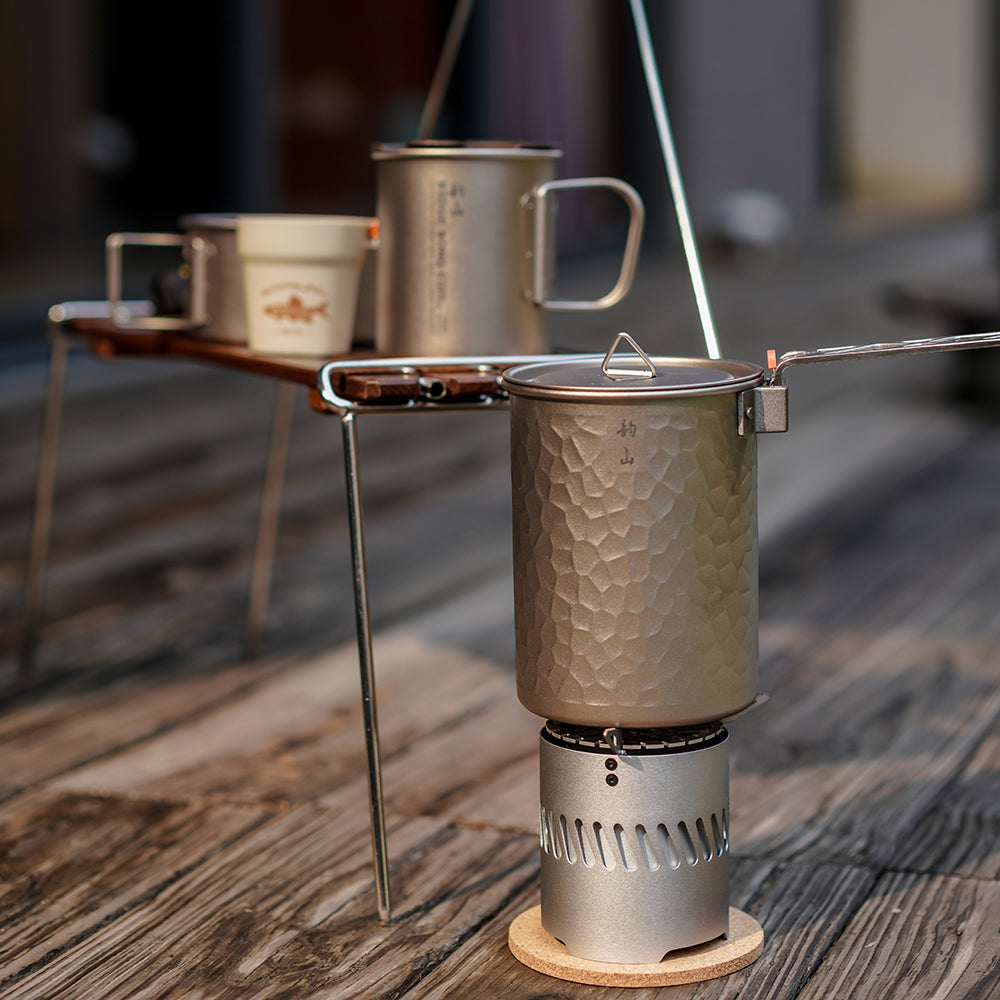
The RidgeSong Titanium Trekking Pot is designed around boiling, cooking and brewing tasks. Its detachable handle and dual-lid system are relevant features to compare when you want one cooking vessel to serve several roles.
A pot-only approach still has trade-offs. Your drink and meal may compete for the same space, and changing tasks can mean another rinse. A serving or drinking task can justify a separate vessel even when the pot already performs the heating.
When a mug is enough
A mug can be all you need for drinking when hot water is already available or supplied from another vessel. For a short outing with a prepared drink, carrying a separate pot may not solve a problem. The useful questions are how much you want to drink, how the mug packs and whether its features suit that drink.

Read the video captions
The pot is lifted out of its sleeve. Smaller cups are removed from inside. The vessels are shown separately.
Using a mug as cookware is a separate decision. Check whether that exact product and its individual parts are intended for the proposed heating method. A metal body does not establish that a lid, sleeve or handle can be used in the same way.
The Tea-Infused Ti Mug 450 has a tea-strainer lid and is listed at a nominal 450 ml capacity. Those details help explain its drinking and brewing role; they do not establish a universal cooking portion or working fill level.
Why a pot and mug can earn their places together
Separate vessels let the cooking container return to its next job after a drink has been poured. That can be useful for breakfast, repeated small drinks or a shared kitchen. It also keeps a drink available while you eat, instead of making you finish one before starting the other.
The extra mug adds another item to carry and clean. Include its lid, sleeve and storage accessories in the comparison. If you usually drink before eating and do not mind the changeover, the second vessel may matter less. Choose the convenience you will actually use.
| Your routine | A useful starting point | Check before packing |
|---|---|---|
| A drink with prepared hot water | Mug | Capacity and handling |
| A meal prepared and eaten from one vessel | Suitable pot | Meal fit and intended use |
| Coffee while breakfast is prepared | Pot plus mug | Complete carried pieces |
| Shared hot water and personal drinks | Shared pot, individual drinking vessels | Portions and the number of batches |

Compare working capacity and the complete load
Check a real portion at home using your planned ingredients and the manufacturer's fill guidance. A labelled capacity is a useful specification, but it does not tell you how much space your particular meal needs for mixing, expansion or serving. Do not assume that two vessels with similar stated capacities perform identically.
Then pack the whole arrangement. Count lids and handles, consider whether the pieces nest as intended and weigh the configuration you will carry. A lighter individual item can still belong to a larger overall kit if it requires several extra pieces to complete your routine.
Keep the choice specific to the trip
For a brief drink stop, start with the drinking task. For a trip built around cooked meals, start with the cooking vessel. Add a separate mug when having a drink available during another task makes the stop better for you.
Browse the RidgeSong Trail Kitchen collection with that sequence in mind. Choose the vessel that matches your main task, then add only the pieces that give your meal routine a useful second function.
Equipment in this guide
A closer look at the pieces.


Keep your plans moving

